- Images
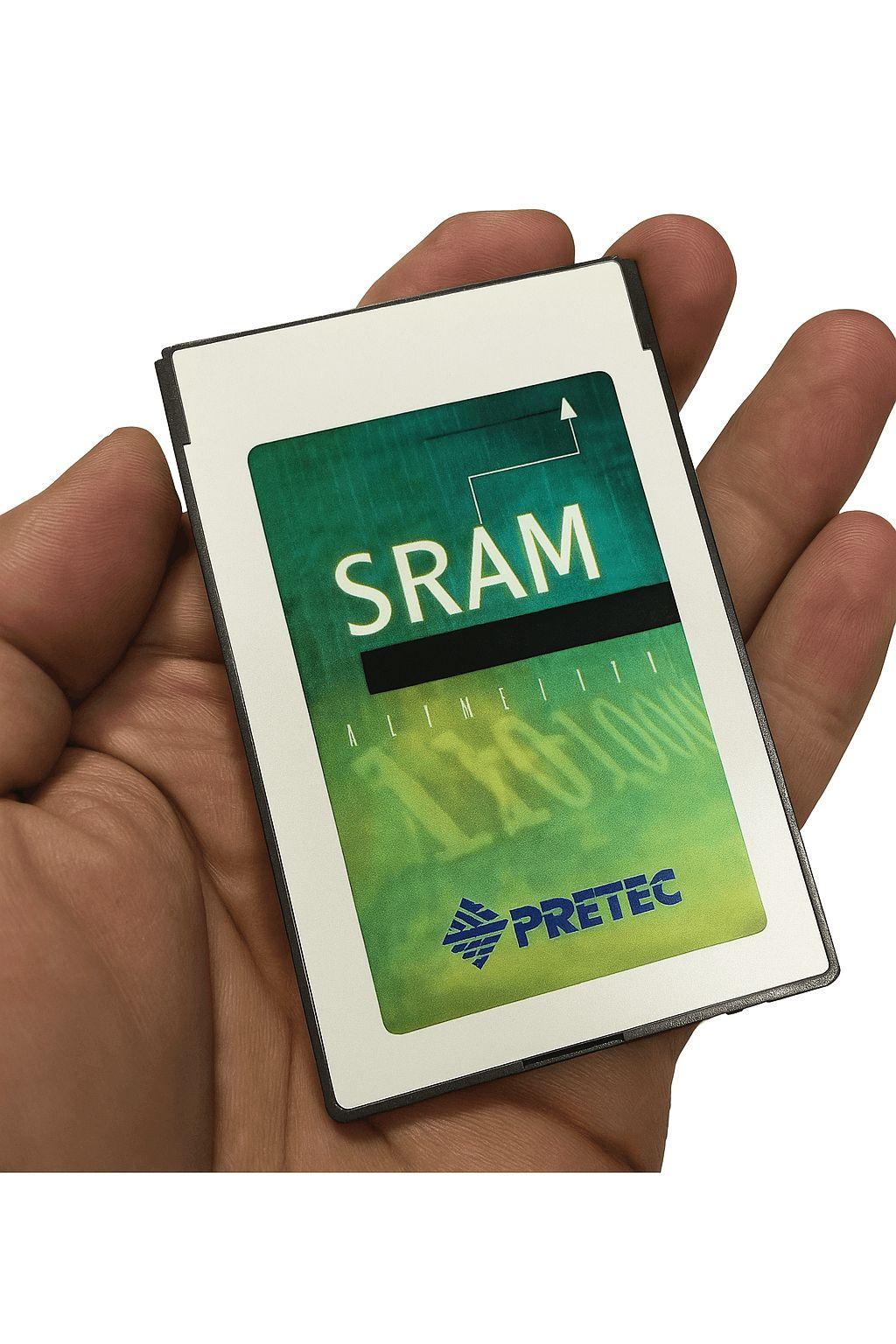
In today’s world of cloud platforms, solid-state drives, and
high-speed flash storage, it may seem unusual that industries still rely on
decades-old storage standards like SRAM
PCMCIA Attribute Cards. Yet, in the field of industrial automation,
these legacy memory cards continue to hold a crucial role. Factories,
manufacturing plants, and embedded systems across the globe depend on them to
ensure reliability, compatibility, and uninterrupted performance of
mission-critical equipment.
So why do these cards still matter? Let’s explore their
continuing relevance in industrial automation.
1. Legacy Equipment Still Drives Modern Production
Industrial automation systems are long-term investments.
Unlike consumer electronics, which are frequently upgraded, factory automation
equipment such as Programmable Logic Controllers (PLCs), CNC machines,
semiconductor testers, and robotic arms are often designed to
last 20–30 years or more. Many of these systems were originally built
with PCMCIA slots and require SRAM Attribute Cards for program
storage, firmware updates, or parameter backups.
Replacing these machines outright would cost millions, so
industries prefer maintaining compatibility. Here, SRAM PCMCIA cards act as the
bridge between legacy infrastructure and modern workflows.
2. Reliability Where It Matters Most
Industrial environments are often harsh—exposed to dust,
heat, vibrations, and electromagnetic interference. Unlike flash memory, SRAM
cards do not suffer from wear-leveling issues or limited write cycles,
making them highly durable for repeated usage.
SRAM PCMCIA Attribute Cards:
- Retain
data integrity without corruption. - Support
battery-backed memory, ensuring that data remains intact even
without power. - Provide
instant read/write access with no delays.
This level of reliability is why industries such as aviation,
telecommunications, medical equipment, and oil & gas continue to trust
them for automation processes.
3. Attribute Memory: A Unique Advantage
What sets SRAM PCMCIA Attribute Cards apart from
other memory types is their attribute memory space. Attribute memory
stores essential card configuration information (CIS – Card Information
Structure), which allows host devices to correctly recognize and communicate
with the card.
In industrial automation, this feature is invaluable:
- Ensures
compatibility with specific embedded systems. - Supports
custom configurations for proprietary automation equipment. - Reduces
errors during machine operation and data exchange.
Without attribute memory, many industrial controllers would
fail to recognize or operate with storage cards.
4. Cost-Efficient Maintenance for Critical Systems
Upgrading an entire automation system is not only expensive
but also risky. A full replacement might require:
- Downtime
leading to production losses. - Re-training
staff to operate new systems. - Re-certification
of machines to meet safety and compliance standards.
By continuing to use SRAM PCMCIA Attribute Cards, industries
extend the lifecycle of their automation equipment with minimal investment.
For many businesses, this balance of cost-efficiency and operational
reliability makes more sense than adopting new platforms prematurely.
5. Applications Across Industries
SRAM PCMCIA Attribute Cards remain in active use across
several sectors:
- Manufacturing:
For PLC program storage, firmware updates, and control parameter
management. - Telecommunications:
Supporting legacy switching and networking equipment. - Aerospace
& Defense: Storing configuration data for avionics and control
systems. - Medical
Devices: Ensuring compliance in regulated equipment that must maintain
consistent performance over decades. - Energy
& Utilities: Managing automation in power grids, oil rigs, and
refinery systems.
These applications underline their importance in safety-critical
and high-reliability environments.
6. Bridging the Gap with Modern Solutions
While industries continue to use SRAM cards, suppliers and
technology partners are innovating around them. Modern solutions include:
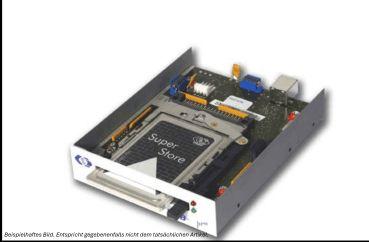
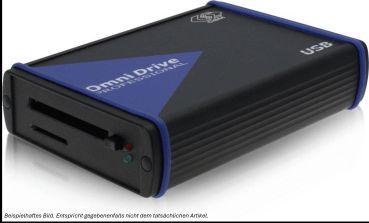
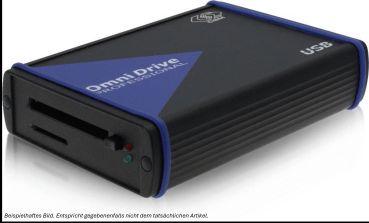
- SRAM-to-USB
adapters that allow engineers to transfer data to modern PCs. - Re-manufactured
and supported SRAM PCMCIA cards to replace failing ones. - Hybrid
approaches, where legacy systems are maintained with SRAM while new
data is mirrored to cloud or flash storage.
This coexistence ensures that businesses don’t have to
choose between legacy reliability and modern efficiency.
Conclusion
Even in 2025, SRAM PCMCIA Attribute Cards play a
vital role in the world of industrial automation. Their reliability,
compatibility, and unique attribute memory functionality make them
indispensable for industries that depend on legacy equipment. Instead of
replacing million-dollar machinery, businesses continue to leverage these cards
as a cost-effective, stable, and proven solution for keeping operations
running smoothly.
Read More: https://tecsysproductguides.blogspot.com/2025/08/why-sram-pcmcia-attribute-cards-still.html