- Images
In today’s fast-paced world of NVMe, PCIe, and blazing-fast
SSDs, the term IDE (Integrated Drive Electronics) may sound outdated.
Once the standard for connecting hard drives and optical drives, IDE was
largely replaced by SATA and, more recently, NVMe. Yet, in the world of industrial
systems, embedded devices, and legacy equipment, IDE is making a surprising
comeback. The reason? Long product lifecycles, reliability demands, and
specialized applications that simply can’t retire overnight.
This is where the Lynx
Solution with 40-pin connector steps in — bridging the gap between the
past and the present.
Why Legacy Systems Still Depend on IDE
- Long
Equipment Lifespans: Industrial machines, military devices, and
medical systems are designed to last decades. Replacing entire
infrastructures for the sake of storage upgrades is costly and
impractical. - Compatibility
Needs: Many legacy boards still run on 40-pin IDE interfaces. They
require compatible storage solutions to function without redesign. - Stability
Over Speed: Unlike consumer electronics, industrial environments
prioritize consistency, durability, and predictability over cutting-edge
speeds.
The Role of Lynx in Reviving IDE
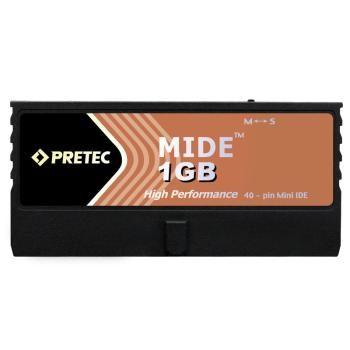
The Lynx 40-pin Mini-IDE DOM (Disk-on-Module) is not
just a nostalgic nod to the past — it’s a modern storage solution tailored
for legacy systems.
Key Features Keeping IDE Alive:
- Broad
Compatibility – Works seamlessly with 40-pin IDE connectors, making it
a drop-in replacement for traditional HDDs. - High
Transfer Rates – With UDMA-4 speeds up to 35 MB/s, it offers
significantly better performance and reliability than aging drives. - Wide
Temperature Range Options – Designed for harsh industrial conditions,
ensuring stability even in extreme environments. - Compact,
Plug-and-Play Design – Eliminates moving parts, reducing failure rates
compared to traditional hard drives. - Capacities
from 256 MB to 4 GB – Ideal for embedded OS, control software, and
critical data storage.
Real-World Applications
- Industrial
Automation: Control systems in factories still running on older
boards. - Defense
& Aerospace: Mission-critical systems requiring proven, stable
interfaces. - Medical
Equipment: Devices that must remain certified and can’t easily undergo
redesign. - Telecommunications:
Legacy infrastructure that needs cost-effective upgrades.
Why the Comeback Matters
The resurgence of IDE through solutions like Lynx isn’t
about resisting innovation — it’s about bridging eras of technology. By
extending the life of existing infrastructure, companies can:
- Avoid
costly hardware redesigns. - Maintain
compliance and certification standards. - Ensure
reliability in mission-critical applications.
Final Thoughts
While mainstream computing has moved beyond IDE, industries
that value longevity, stability, and compatibility continue to rely on
it. The Lynx Solution 40-pin connector proves that with the right
innovations, even legacy technologies can have a powerful role in modern
operations.
In essence, Lynx is keeping legacy systems alive,
ensuring that IDE remains relevant in a world chasing the next big leap in
storage.
Read More: https://tecsysproductguides.blogspot.com/2025/09/the-comeback-of-ide-interfaces-how-lynx.html