- Images
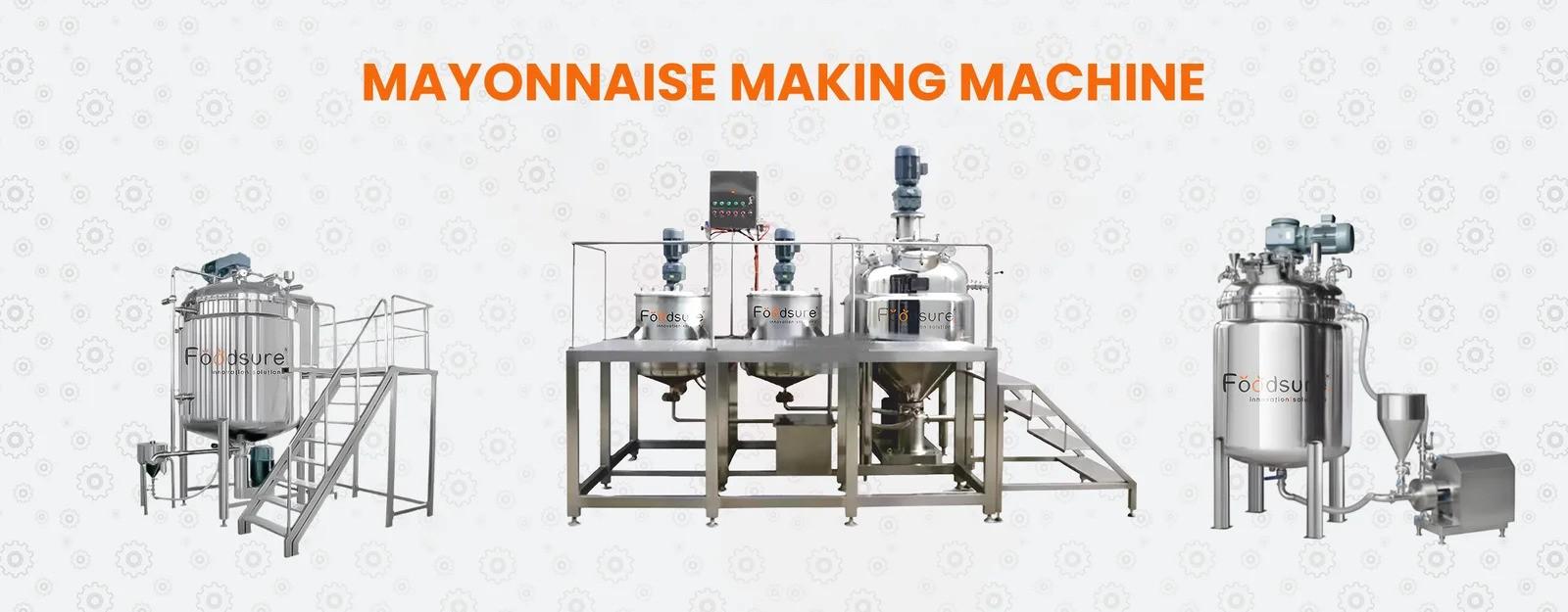
Mayonnaise is one of the most popular condiments in the world. From burgers and sandwiches to salads and dips, it has become a must-have in homes, restaurants, and food industries. With the growing demand for mayonnaise, many food businesses are now looking for efficient and reliable machines that can help them produce mayonnaise on a large or small scale. This is where a Mayonnaise Making Machine plays an important role.
In this article, we will explain what a mayonnaise making machine is, how it works, its benefits, and why food businesses should consider investing in one.
What is a Mayonnaise Making Machine?
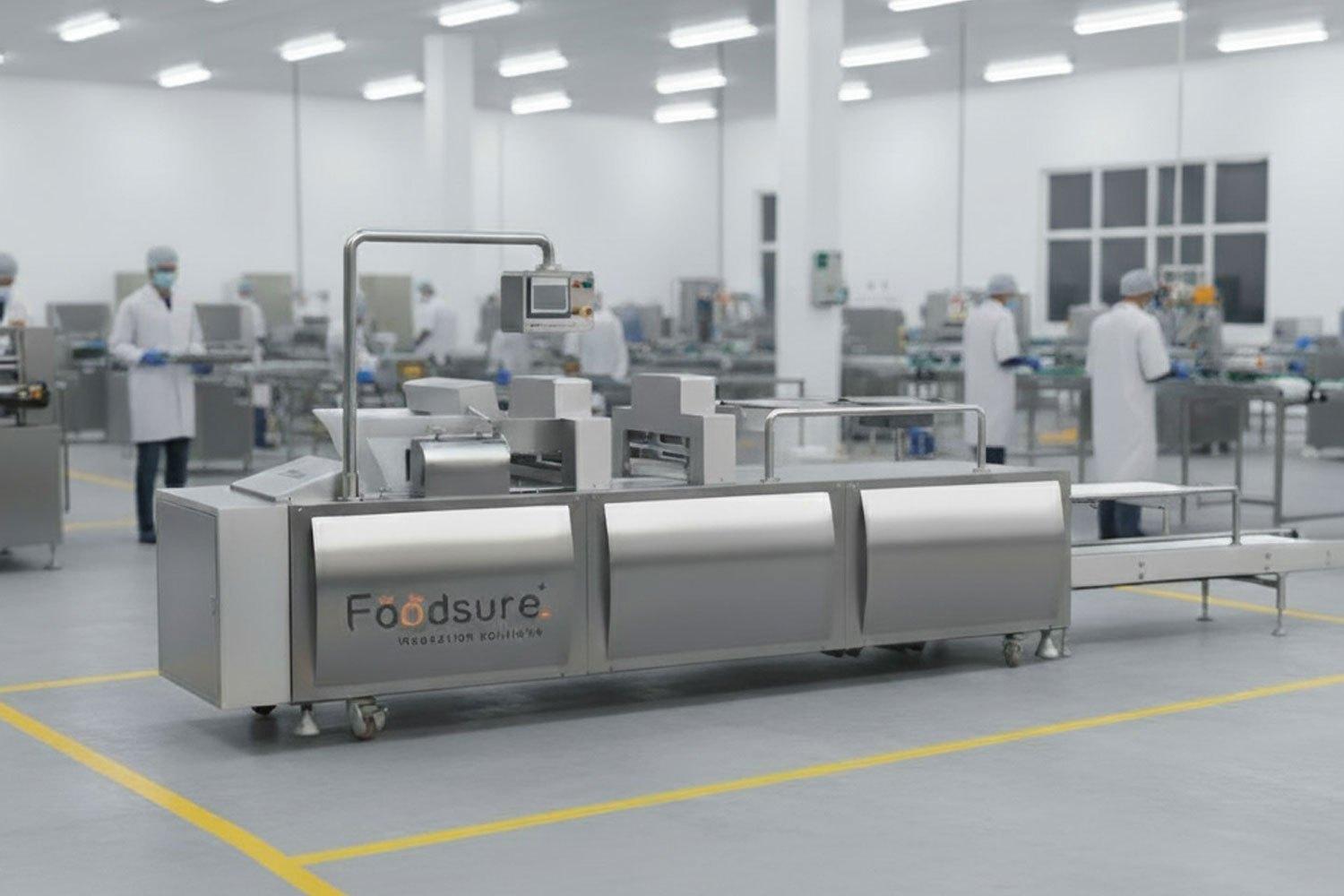
A mayonnaise making machine is a food processing machine designed to mix oil, water, eggs (or stabilizers), vinegar, and seasonings to create smooth and creamy mayonnaise. Unlike manual mixing, the machine ensures that the oil and water are blended perfectly into a stable emulsion, which gives mayonnaise its rich taste and texture.
These machines come in different sizes and models. Some are made for small-scale food businesses such as bakeries, cafes, or restaurants, while others are built for large-scale manufacturing plants that produce mayonnaise in bulk.
How Does a Mayonnaise Making Machine Work?
The process of making mayonnaise may sound simple, but achieving the perfect emulsion requires precision. The mayonnaise making machine uses high-speed mixing, homogenization, and sometimes vacuum technology to ensure smooth blending.
Here’s a step-by-step look at how it usually works:
Ingredient Preparation – The main ingredients like oil, eggs or emulsifiers, vinegar, water, and seasonings are measured and added into the mixing tank.
Mixing and Emulsification – The machine uses high-shear mixers or homogenizers that break down the oil into tiny droplets. This helps the oil mix evenly with water and other ingredients.
Homogenization – Advanced machines ensure the texture is extra smooth, without lumps or separation.
Vacuum Technology (Optional) – In larger models, vacuum technology removes air bubbles and prevents oxidation, giving the mayonnaise a longer shelf life.
Final Product – The result is a creamy, stable, and ready-to-use mayonnaise that can be packed directly.
Benefits of Using a Mayonnaise Making Machine
Consistency in Quality – Machines ensure uniform mixing every time, resulting in consistent taste and texture.
Saves Time and Labor – Making mayonnaise by hand is time-consuming. A machine speeds up the process and reduces the need for extra labor.
Higher Production Capacity – From a few kilograms per hour to several tons per day, machines can handle all scales.
Longer Shelf Life – Vacuum and homogenization create mayonnaise that stays fresh longer.
Cost-Effective in the Long Run – Though the initial investment may feel high, these machines save money through reduced wastage and labor costs.
Types of Mayonnaise Making Machines
Small-Scale Machines
Compact and affordable, perfect for cafes, bakeries, and small businesses.
Semi-Automatic Machines
Require some manual handling but are suitable for medium-sized operations.
Fully Automatic Machines
Best for industries producing mayonnaise in bulk. They handle the entire process from mixing to homogenization.
Applications of Mayonnaise Making Machines
Food Processing Industries – For bulk production and packaging.
Restaurants & Cafes – To prepare fresh mayonnaise on-site.
Catering Businesses – For preparing medium to large quantities.
Startups and Small Businesses – Affordable models available for entry-level production.
Things to Consider Before Buying
Production Capacity – Match the machine to your daily or monthly demand.
Automation Level – Choose between manual, semi-automatic, or fully automatic.
Budget – Balance your needs with your investment capacity.
Maintenance & Support – Always buy from suppliers who offer after-sales service.
Material & Build Quality – Stainless steel machines are durable and easy to clean.
Frequently Asked Questions (FAQs)
Q1. Can mayonnaise making machines be used for other sauces?
Yes. Many machines can also produce salad dressings, ketchup, dips, and other emulsified sauces with slight adjustments.
Q2. What is the average price of a mayonnaise making machine?
Prices vary depending on size and automation level. Small-scale machines can start from a few lakhs, while industrial models cost more.
Q3. Is it difficult to operate these machines?
Not at all. Most machines are designed to be user-friendly. Basic training is enough for operators to manage the process.
Q4. Do I need skilled labor to run the machine?
Fully automatic machines require very little human effort. Semi-automatic models may need some manual supervision, but no special skills are needed.
Q5. How much space is required for installation?
Small machines require minimal space, similar to a commercial kitchen setup. Large industrial machines need dedicated production areas.
Q6. What ingredients are required for making mayonnaise in the machine?
The usual ingredients are oil, egg yolk or stabilizer, vinegar or lemon juice, water, salt, and spices depending on the recipe.
Q7. Can the machine improve shelf life of mayonnaise?
Yes. Machines with homogenization and vacuum technology improve stability, texture, and shelf life.
Conclusion
A Mayonnaise Making Machine is an essential tool for businesses that want to meet the rising demand for mayonnaise in the market. It ensures consistent quality, saves time, and reduces costs while improving production capacity. Whether you are a small food outlet or a large-scale manufacturer, investing in the right machine can help you grow confidently in the food industry.
If you are planning to start or expand mayonnaise production, explore different models and choose the one that fits your requirements. A reliable machine will make your production smooth, efficient, and profitable.