- Images

A professional Data Analytics course in Noida equips learners with a balanced mix of technical expertise, analytical thinking, and business understanding that today’s employers value highly. As organizations across industries rely on data to make decisions, trained data analysts are in strong demand. Here are the core skills you typically gain from a comprehensive program.
1) Data Handling and Preparation
You learn how to collect, clean, and organize raw data from multiple sources such as spreadsheets, databases, APIs, and cloud platforms. This includes dealing with missing values, removing duplicates, standardizing formats, and validating data quality. Strong data preparation skills ensure that your analysis is accurate and reliable.
2) Excel for Analytics
Advanced Excel remains a foundational tool in analytics. You gain proficiency in formulas, pivot tables, lookups, data validation, conditional formatting, and dashboards. These skills help you perform quick analyses and present insights clearly, especially in business environments where Excel is widely used.
3) SQL and Database Management
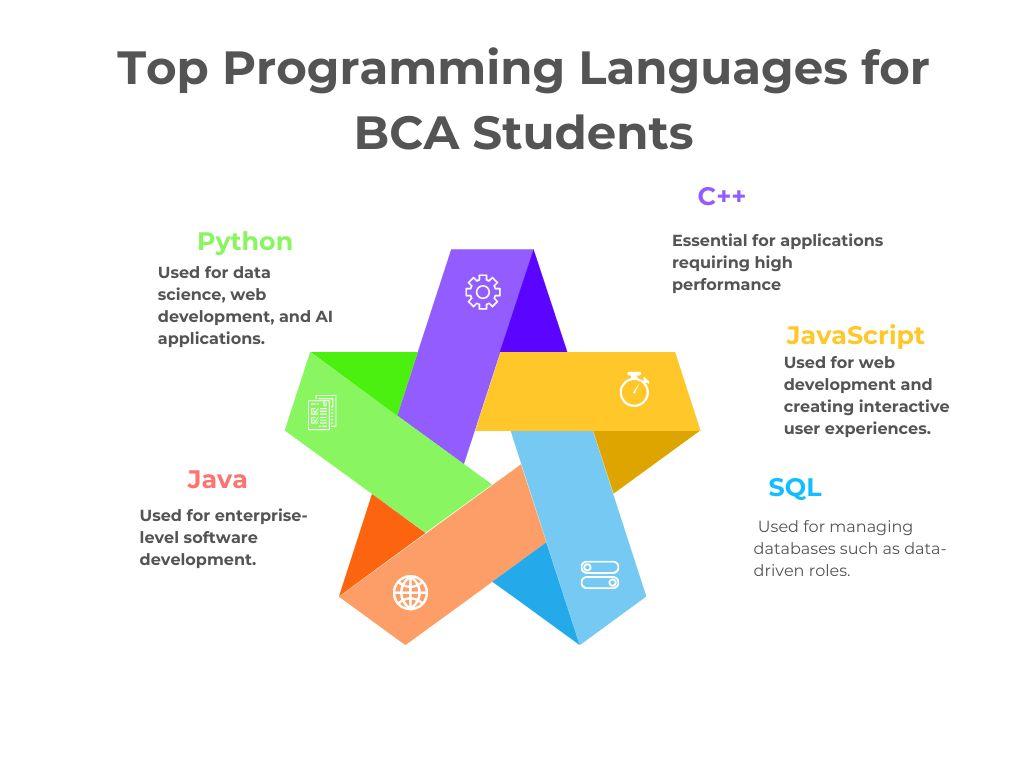
Structured Query Language (SQL) is essential for retrieving and managing data stored in relational databases. You learn how to write queries to filter, join, aggregate, and manipulate large datasets. Understanding databases enables you to work efficiently with enterprise data systems.
4) Programming with Python or R
Most professional courses introduce Python or R for data analysis. You learn libraries such as Pandas, NumPy, Matplotlib, and Seaborn (in Python) to analyze data, perform statistical operations, and create visualizations. Programming skills allow you to automate tasks and handle complex datasets beyond the limits of spreadsheets.
5) Data Visualization and Dashboarding
A key skill of a data analyst is communicating insights visually. You gain hands-on experience with tools like Tableau or Power BI to build interactive dashboards and reports. Visualization skills help stakeholders quickly understand trends, patterns, and performance metrics.
6) Statistical and Analytical Thinking
You learn core statistical concepts such as mean, median, standard deviation, correlation, probability, hypothesis testing, and regression. These concepts help you interpret data correctly and make data-driven recommendations rather than assumptions.
7) Business Intelligence and Reporting
Data analytics is not only about numbers; it’s about solving business problems. You develop the ability to translate data findings into actionable insights for marketing, sales, finance, operations, and HR. This business context makes your analysis relevant and impactful.
8) Real-Time Projects and Case Studies
Professional courses often include live projects based on real business scenarios. Working on datasets from domains like e-commerce, healthcare, or finance helps you apply your skills practically and build a strong portfolio.
9) Problem-Solving and Critical Thinking
You learn how to approach ambiguous problems, ask the right questions, define metrics, and design analytical solutions. These problem-solving skills are essential for handling real workplace challenges.
10) Communication and Presentation Skills
Finally, you develop the ability to present your analysis through reports, dashboards, and presentations. Clear communication ensures your insights lead to informed decision-making.
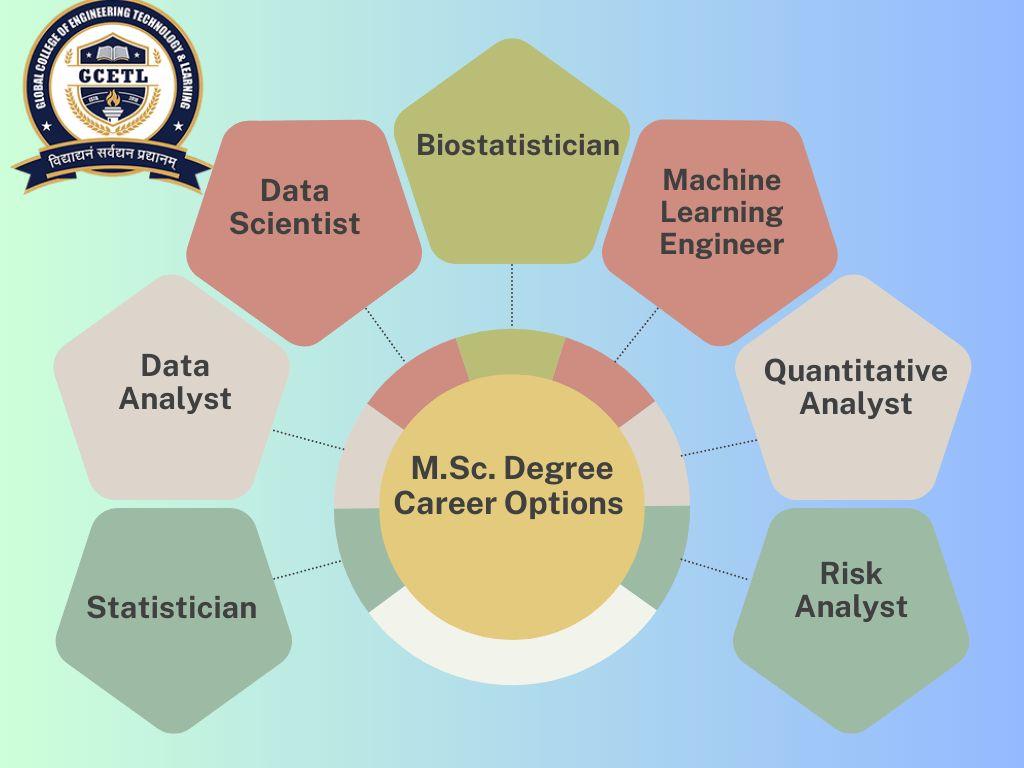
By the end of a professional Data Analytics course in Noida, you are equipped not just with tools and techniques, but with the confidence to turn data into meaningful business insights and step into roles such as Data Analyst, Business Analyst, or BI Developer.