- Images
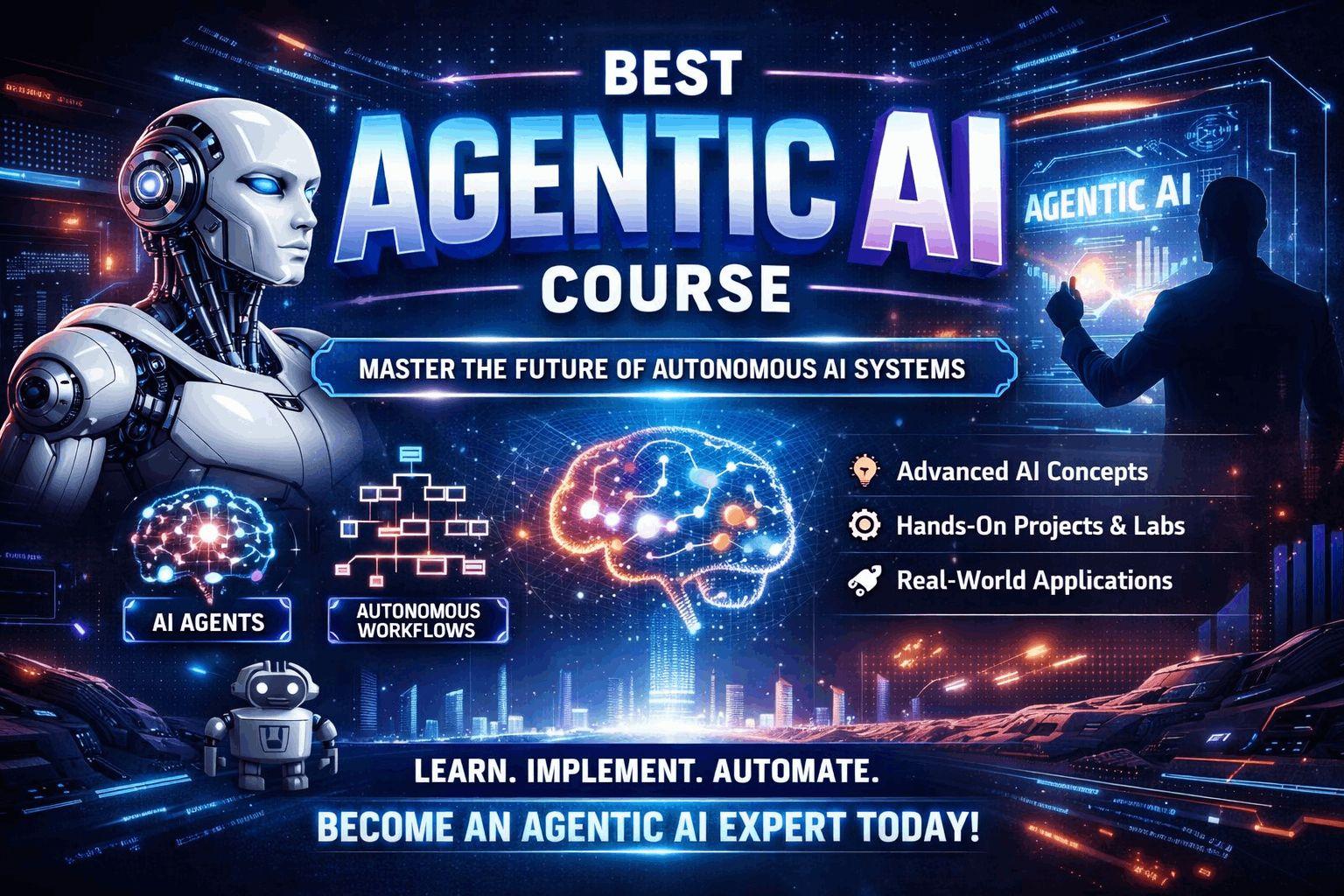
Artificial Intelligence is evolving rapidly, but a new concept is gaining serious attention: Agentic AI Engineering. If you’ve heard about AI agents, autonomous systems, or self-operating workflows, you’re already close to understanding it.
This blog explains everything in a clear and practical way—what it is, who should learn it, why it matters, and how you can get started.
What Is Agentic AI Engineering?
Agentic AI Engineering is the practice of designing and developing AI systems that can act independently, make decisions, and complete tasks without constant human input.
Traditional AI systems respond to commands. In contrast, agentic AI systems are designed to:
Understand goals
Plan actions
Execute tasks
Learn and improve
In simple terms, it transforms AI from a tool into something closer to an autonomous assistant.
Who Should Learn Agentic AI Engineering?
Agentic AI is not limited to researchers or advanced engineers. It is becoming relevant for a wide range of learners and professionals:
Computer science students preparing for future careers
Software developers looking to expand into AI
Data scientists exploring automation
Entrepreneurs building AI-powered products
Tech enthusiasts interested in next-generation systems
If you want to stay relevant in the evolving tech landscape, learning agentic AI is a strong step forward.
Why Is Agentic AI Engineering Important?
The growing importance of agentic AI comes from its ability to go beyond simple automation.
1. Advanced Automation
It can handle complex workflows, not just repetitive tasks.
2. Better Decision-Making
Agentic systems analyze data and make informed choices.
3. Increased Productivity
Businesses can save time and resources by delegating processes to AI agents.
4. High Career Demand
Skills related to AI agents and automation are becoming highly valuable in the job market.
When Did Agentic AI Become Popular?
Agentic AI began gaining traction between 2023 and 2025, driven by:
Improvements in large language models
Growth of AI automation tools
Development of multi-agent systems
By 2026, it has become one of the most discussed topics in AI engineering and software development.
Where Is Agentic AI Used?
Agentic AI is already being applied across industries:
Customer service systems that resolve issues end-to-end
AI coding assistants that generate and debug code
Marketing tools that manage campaigns automatically
Financial systems that analyze trends and suggest actions
Personal productivity assistants that plan and execute tasks
These applications show how AI is moving from reactive tools to proactive systems.
How Does Agentic AI Engineering Work?
The process behind agentic AI systems can be broken down into a few key steps:
1. Goal Setting
The system is given a clear objective rather than detailed instructions.
2. Task Planning
The AI breaks the goal into manageable steps.
3. Execution
It uses tools, APIs, or data sources to perform actions.
4. Feedback and Learning
The system evaluates outcomes and improves future performance.
This cycle allows AI agents to operate with increasing efficiency over time.
What Skills Are Needed to Learn Agentic AI Engineering?
To build or work with agentic AI systems, you need a mix of technical and conceptual skills:
Programming knowledge, especially Python
Understanding of machine learning basics
Familiarity with APIs and automation tools
Problem-solving and logical thinking
Knowledge of AI frameworks and agent-based systems
You do not need to be an expert to start, but a basic foundation helps significantly.
Which Courses Help You Learn Agentic AI Engineering?
If you are searching for an agentic AI engineering course, look for programs that include:
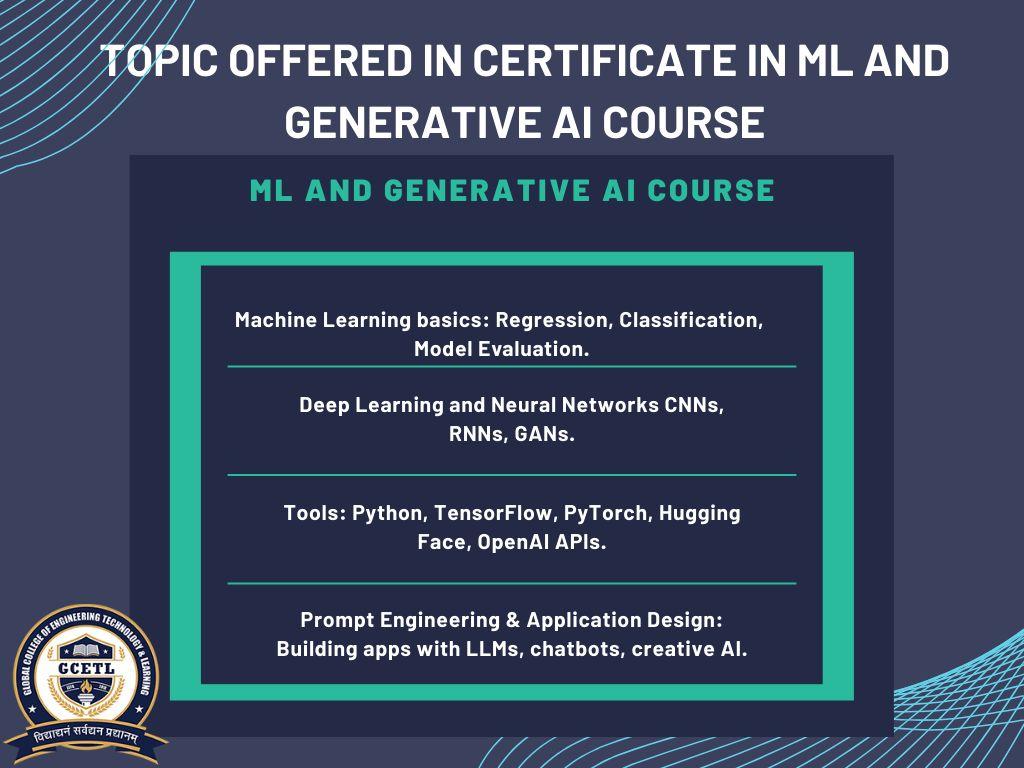
AI fundamentals and machine learning basics
Hands-on projects with AI agents
Real-world automation workflows
Certification for career growth
Popular learning platforms offer affordable and flexible options, making it easier to start without a large investment.
How to Choose the Right Agentic AI Course
Not every course delivers real value. Here are some practical tips:
Check Course Content
Ensure it covers both theory and practical implementation.
Look for Projects
Hands-on experience is essential for understanding AI agents.
Read Reviews
Feedback from learners can reveal the course quality.
Certification Value
Choose courses that add credibility to your resume.
Instructor Expertise
Experienced instructors simplify complex topics.
What Are the Benefits of Learning Agentic AI Engineering?
Learning this skill offers several long-term advantages:
Strong career opportunities in AI and automation
Ability to build intelligent systems and products
Improved problem-solving and system design skills
Opportunity to work on cutting-edge technology
It is one of the few skills that combines innovation with real-world impact.
Common Mistakes to Avoid
Many beginners struggle because of these common issues:
Focusing only on theory without practice
Ignoring real-world applications
Trying to learn everything at once
Not building projects
To succeed, focus on consistent learning and hands-on experience.
How Long Does It Take to Learn Agentic AI Engineering?
The timeline depends on your background:
Beginners: 3 to 6 months
Intermediate learners: 1 to 3 months
Advanced learners: a few weeks to specialize
Regular practice and project work can speed up your progress.