- Images
The career scope in fashion design in India has changed significantly. It is no longer limited to becoming a designer or working with a fashion label. Today, fashion is connected with business, technology, content, and branding.
For students planning their future, the real question is not just “Is fashion designing a good career?” but “What roles exist, what do they pay, and how do I enter the industry with the right skills?” This article answers that with a practical, updated view of the industry in 2026.
What is the career scope in fashion design today?
The career scope in fashion design is expanding due to:
- Growth of e-commerce platforms
- Rise of independent and digital-first brands
- Increasing demand for styling and visual content
- Stronger focus on branding and consumer experience
Fashion is now a multi-role industry. It includes design, styling, merchandising, marketing, and production. This creates more opportunities in fashion design but also increases expectations from students.
What are the best career options after fashion designing?
The fashion design career path is no longer one-dimensional. Here are the key roles students can explore:
Fashion Designer
Designers work on concepts, collections, and product development. Today, they are also expected to understand production, pricing, and market demand.
Average starting salary: ₹3–6 LPA
With experience: ₹8–15 LPA+
Fashion Stylist
Stylists are in demand across the following:
- Brand shoots
- E-commerce platforms
- Influencer and social media content
This is one of the fastest-growing opportunities in fashion design.
Average starting salary: ₹2.5–5 LPA
Freelance projects: ₹5,000–₹50,000+ per project
Fashion Merchandiser
Merchandisers handle:
- Product planning
- Trend analysis
- Sales strategy
They play a key role in deciding what gets sold.
Average starting salary: ₹4–7 LPA
With experience: ₹10–18 LPA+
Brand & Marketing Roles
These roles include:
- Fashion marketing
- Visual merchandising
- Campaign planning
They are ideal for students interested in strategy and brand building.
Average starting salary: ₹3–6 LPA
Growth potential: High with experience
Entrepreneurship (Starting Your Own Brand)
Many students now launch the following:
- Independent labels
- Instagram-based brands
- Niche fashion businesses
Income varies, but successful brands scale quickly with the right positioning.
Technical & Production Roles
Includes:
- Pattern making
- Garment technology
- Product development
These roles offer stability and consistent demand.
Average starting salary: ₹3–5 LPA
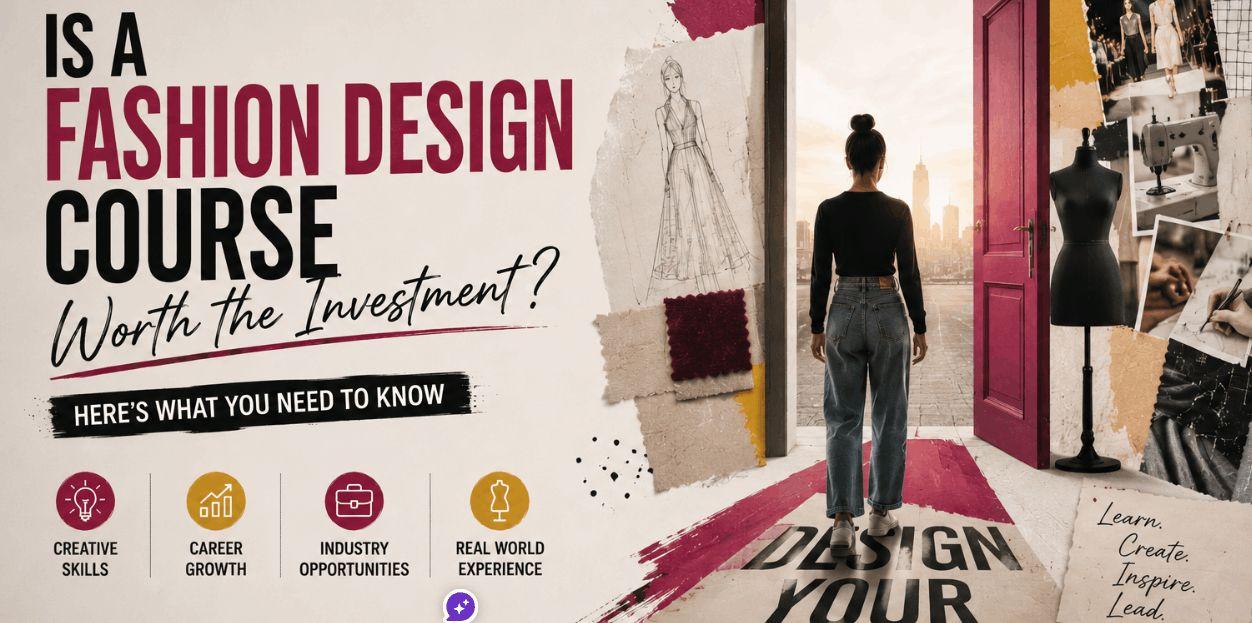
Is fashion designing a good career in 2026?
Yes, but only if approached correctly.
A fashion design career today requires:
- Practical skills
- Industry exposure
- Understanding of multiple roles
Students who only focus on creativity may struggle. Those who combine creativity with execution and awareness find strong opportunities in fashion design.
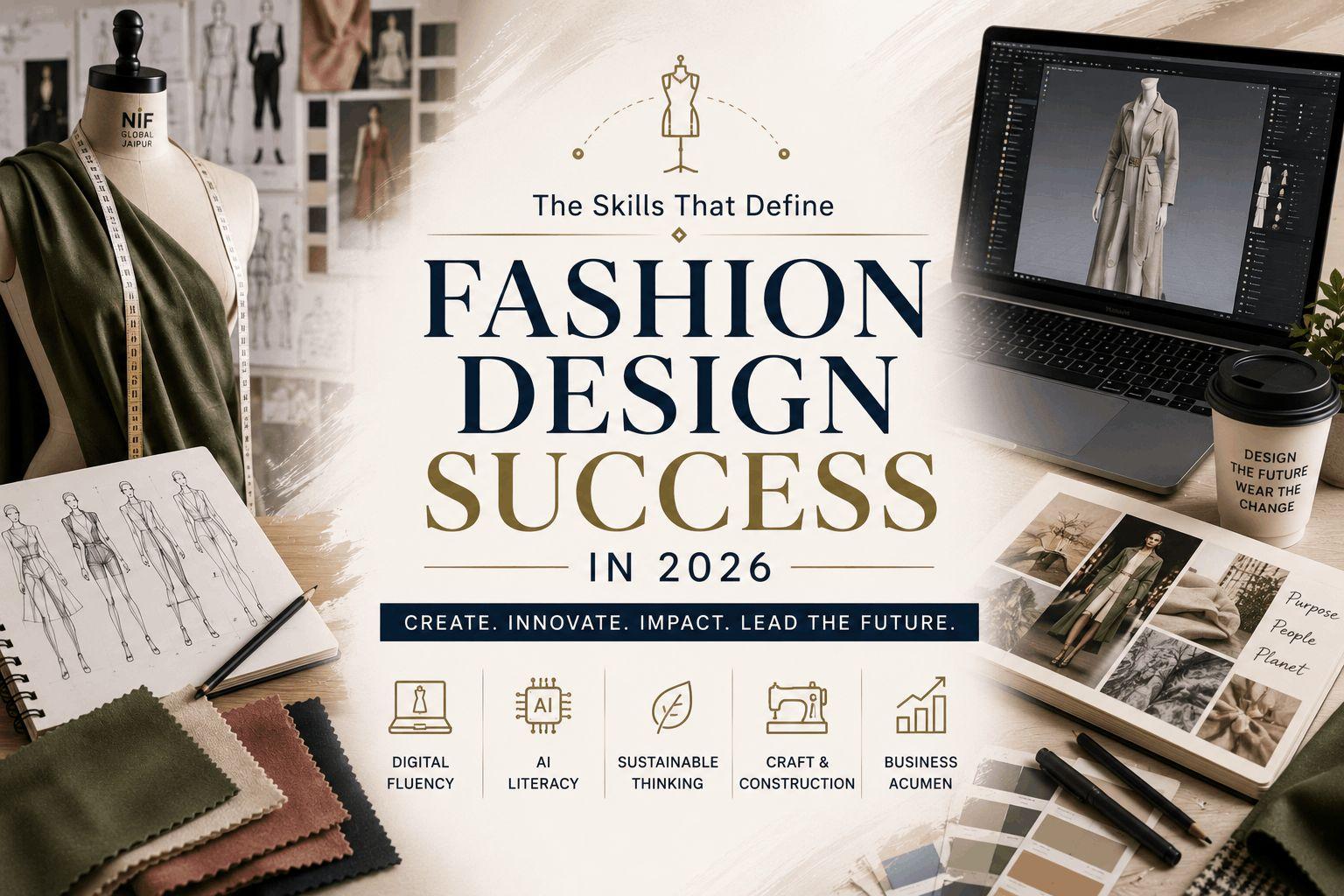
What skills do companies actually look for?
Employers are not just hiring designers. They are hiring professionals who can contribute from day one.
Key skills required:
- Design and concept development
- Fabric and garment knowledge
- Digital tools (CLO3D, Illustrator)
- Trend and consumer understanding
- Communication and presentation
- Basic knowledge of branding and pricing
These skills directly impact your growth within the career scope in fashion design.
Why do many fashion design graduates struggle?
Despite a wide career scope in fashion design, some students face challenges because of the following:
- Limited practical exposure
- Weak or generic portfolios
- Lack of clarity about career roles
- Minimal industry interaction
This gap between learning and industry expectations can delay career growth.
How can you prepare for real industry roles?
Preparation should be aligned with how the fashion industry actually works.
Students should focus on:
- Building a strong, role-specific portfolio
- Working on real or simulated industry projects
- Exploring styling, merchandising, and brand roles
- Understanding the business side of fashion
This is where the choice of institute plays an important role.
At NIF Global Jaipur, students are trained beyond just design basics. The curriculum includes exposure to:
- Styling and visual storytelling
- Merchandising and market understanding
- Brand roles and campaign thinking
- Entrepreneurship and business fundamentals
The focus is on making students industry-ready, not just course-complete.
If you are planning to apply, it is important to look at how well a program prepares you for actual opportunities in fashion design, including placements, portfolio building, and practical learning.
What is the future of opportunities in fashion design?
The future of opportunities in fashion design is evolving in these areas:
- Digital and 3D fashion
- Sustainable and ethical fashion
- Content-driven styling and branding
- Direct-to-consumer fashion businesses
Traditional roles are still relevant, but they now require updated skills and a broader understanding of the industry.
How should you choose the right fashion design course?
Before taking admission, ask:
- Does the course include practical exposure?
- Will I build a strong portfolio?
- Are multiple career paths covered (styling, merchandising, branding)?
- Is there industry interaction or placement support?
A course that answers these questions clearly will help you make the most of the career scope in fashion design.
Where NIF Global Jaipur Fits In
At NIF Global Jaipur, the focus is aligned with current industry expectations.
Students are trained not just in design but across the full fashion ecosystem:
- Styling and visual presentation
- Merchandising and market understanding
- Brand thinking and entrepreneurship
- Portfolio development and industry exposure
This approach helps students clearly understand the career scope in fashion design and prepare for real roles, not just academic outcomes.
Final takeaway
The career scope in fashion design in India is diverse, growing, and full of possibilities.
You can build a fashion design career in:
- Design
- Styling
- Merchandising
- Branding
- Entrepreneurship
- Technical production
However, success depends on how well you prepare.
Students who focus on skills, exposure, and industry understanding are the ones who unlock the best opportunities in fashion design.