- Images

Crafting Tomorrow’s Foods: A Complete Guide to Successful
Food Product Development
Understanding the Future of Food Innovation
The global food industry is transforming rapidly as
consumers seek healthier, fresher and more innovative products. To thrive in
this environment, brands must invest in structured food
product development that blends creativity, science and market
forecasting. Modern consumers expect clean-label ingredients, unique flavours
and products that support wellness. This makes new food product development
an essential strategy for businesses aiming to shape the future of the food
landscape.
Laying the Foundation Through Concept Exploration
Every product begins with an idea, but only well-researched
ideas evolve into successful products. The early concept stage focuses on
identifying consumer needs, analysing trends and visualising innovative
possibilities. Companies study how nutritional preferences and flavour
expectations are changing and use these insights to build strong product ideas.
Expert food consultants often strengthen this stage by supporting idea
validation, analysing competition and guiding brands toward feasible,
market-ready concepts.
Feasibility and Market Viability
Not all ideas can succeed, and feasibility assessment helps
brands determine which concepts are worth developing. This stage includes:
- Evaluating
the cost and availability of raw materials - Understanding
regulatory and safety requirements - Determining
processing and manufacturing challenges - Assessing
shelf-life expectations and storage needs - Analysing
competitive products and market positioning
A clear feasibility study prevents costly mistakes and
builds a strong foundation for product development in the food industry.
Food Formulation: Transforming Vision Into a Real Product
Once the concept is validated, the focus shifts to food
formulation, the most technical and creative part of the development
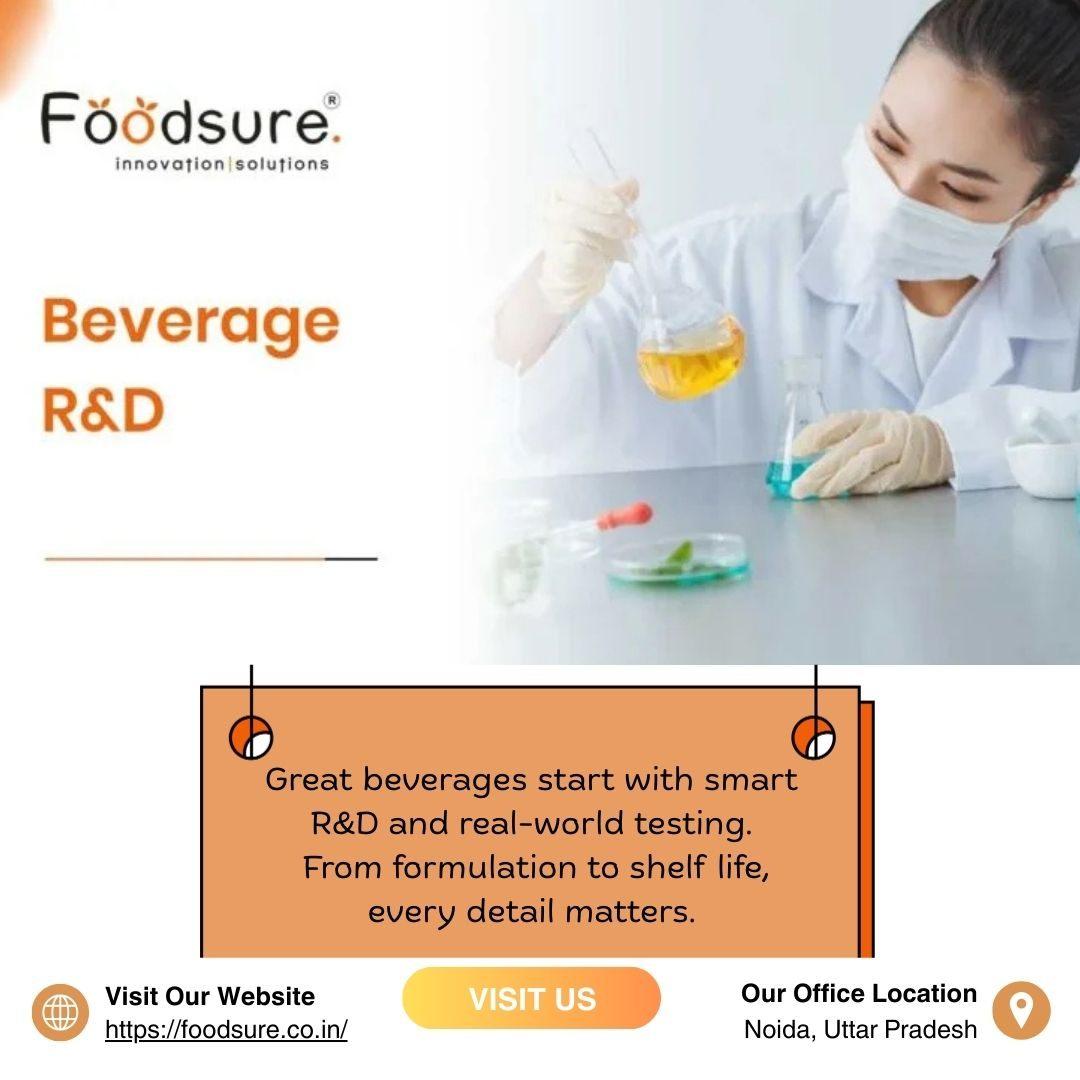
process. During formulation, R&D specialists work to create the perfect
balance of taste, texture, appearance and nutritional value. Ingredient
interactions, processing conditions and sensory attributes are studied closely
to build a stable, safe and high-quality prototype. The goal is to create a
product that delivers a pleasant sensory experience while meeting safety,
regulatory and commercial requirements.
Testing, Sensory Development and Product Refinement
After developing the first prototype, extensive testing
ensures the product performs well over time. This testing phase includes:
- Sensory
evaluations to assess taste, aroma and mouthfeel - Stability
tests to measure texture and ingredient behavior - Shelf-life
studies to identify changes in quality - Microbial
testing to ensure food safety - Consumer
sampling to collect real-world feedback
These tests guide improvement, helping the formulation
evolve into a refined, consistent and market-ready product.
Scaling Up: The Bridge Between Experiment and Production
Scaling up marks the transition from lab-scale innovation to
large-scale manufacturing. This phase ensures that the commercial product
matches the quality of the prototype. R&D teams work with production units
to adjust ingredient ratios, processing times and equipment settings. Scaling
up often involves challenges such as maintaining flavour consistency, ensuring
texture stability and achieving uniform mixing. A carefully managed process is
vital to successful new
product development service, ensuring the product remains safe, stable
and high in quality during mass production.
Packaging and Labelling for Market Success
As the product moves closer to market entry, packaging and
labelling decisions shape its success. This stage focuses on:
- Choosing
materials that protect freshness and extend shelf life - Designing
attractive packaging that aligns with brand identity - Ensuring
labels follow food regulatory standards - Highlighting
nutritional values, allergens and unique claims - Considering
sustainability and consumer convenience
Effective packaging supports brand trust and helps the
product stand out on store shelves.
Preparing for Market Launch
Once production is streamlined and packaging is finalised,
the product is ready for its market debut. Launch preparation includes supply
chain planning, marketing strategies and distribution alignment. A successful
launch requires consistent quality, clear brand messaging and strong
positioning. Early feedback during the market entry stage helps refine
marketing approaches and strengthens the product’s long-term performance.
The Transformative Role of Food Consultants
Throughout development, professional food consultants
bring invaluable expertise. They help businesses overcome technical challenges,
navigate regulatory requirements and reduce R&D risks. Consultants offer
support in concept validation, formulation, sensory analysis, manufacturing
optimisation and launch preparation. Their guidance strengthens the overall food
product development journey and speeds up innovation.
Conclusion: Building the Next Generation of Food Products
Crafting tomorrow’s foods requires innovation, scientific
precision and a strategic approach. With strong new
food product development, advanced food formulation and expert
guidance, businesses can create products that meet modern consumer demands and
maintain exceptional quality. As the food industry evolves, brands that invest
in R&D will lead the future of food innovation and build products that
stand out in a competitive global market.