- Images
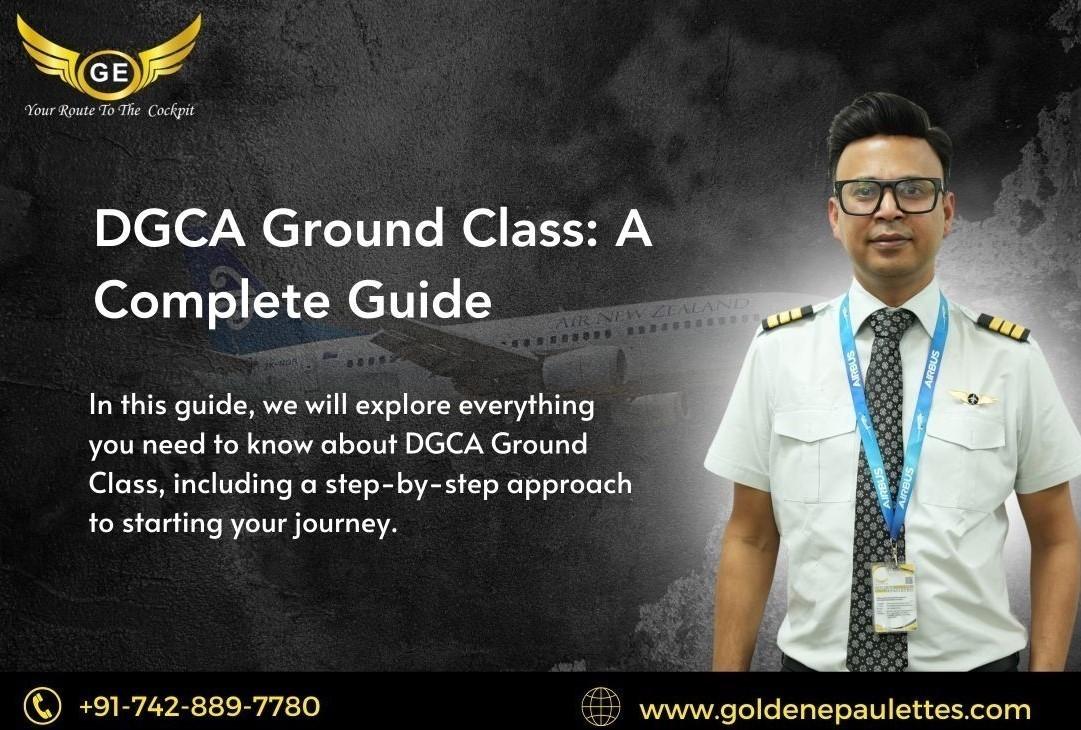
The role of DGCA ground classes in mastering aviation vocabulary
Aviation is a language of its own
Clear communication is the backbone of aviation. Whether you're speaking with Air Traffic Control, fellow crew members, or reading technical manuals, you must understand and use aviation-specific terminology correctly. This essential skill starts taking shape in DGCA ground classes, where students are first introduced to the professional language of pilots.
Learning standard terms and abbreviations
Aviation uses a unique vocabulary filled with abbreviations like VFR, IFR, ETA, NOTAM, and many more. DGCA ground classes teach students how to interpret and use these terms confidently. Knowing these from the start helps you understand manuals, weather charts, procedures, and instructions with greater ease.
Radio Telephony and phraseology training
DGCA theory includes Radio Telephony (RT), where students learn standard aviation phraseology. It’s not just about knowing what to say—but how to say it, clearly and professionally. Practicing RT communication during ground school ensures that future pilots are comfortable and confident on the radio, reducing the chances of miscommunication.
Understanding international standards
Much of aviation language is governed by ICAO (International Civil Aviation Organization) guidelines. Ground classes familiarize students with these international standards, making it easier to communicate universally, whether flying within India or abroad. This also prepares students for airline interviews and global aviation exams.
Speak like a pilot, think like a pilot
The more fluent you become in aviation language, the more naturally you start thinking like a pilot. This fluency begins with well-structured DGCA ground classes, which not only prepare you for exams but also for real-time cockpit communication and decision-making.