- Images
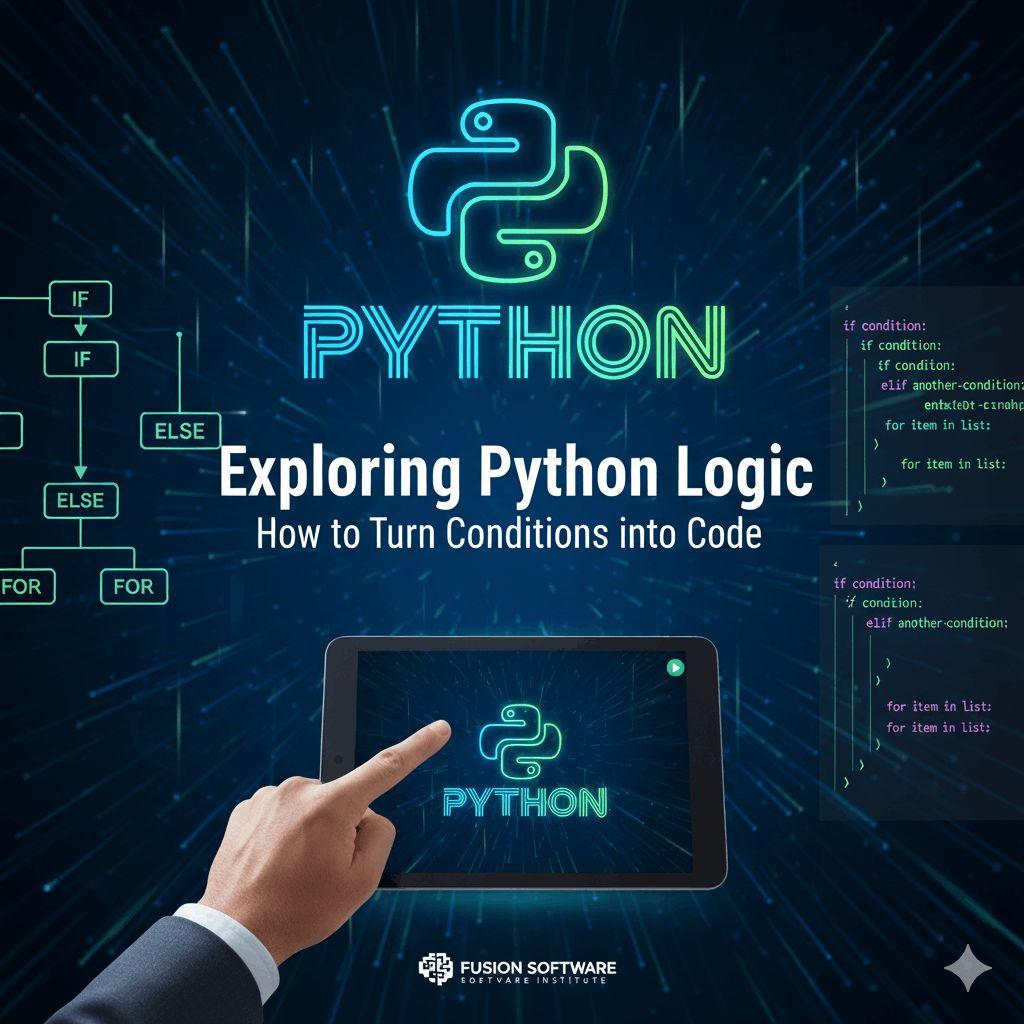
When you begin learning Python, one of the first concepts that shapes your understanding of programming is the idea of loops. Loops give you the ability to repeat actions without rewriting the same steps again and again. This makes your programs cleaner, more efficient, and far easier to maintain. To truly think like a developer, it’s important not only to know what loops are but also to understand how and when to use them effectively.
Read More: Understanding Python Loops: Approach Problems Like a Developer
What Are Loops in Python?
At their core, loops are structures that allow a set of instructions to run repeatedly until a certain condition or goal is reached. Instead of manually performing a task multiple times, loops perform the repetition for you. Python mainly offers two kinds of loops: one designed for moving through sequences and another designed for repeating actions based on conditions. Both types help developers solve problems more systematically.
1. The Purpose of “For” Loops
A “for” loop in Python is used when you want to repeat an action for each item in a collection. This collection could be anything—such as a list of names, steps in a process, or characters in a word. When using this type of loop, you already have a clear idea of what needs to be processed and how many items are involved.
Developers rely on this loop when they want predictable, organized repetition. It is perfect for tasks like reviewing every element in a group, performing an action a set number of times, or applying the same rules to multiple items. Thinking like a developer means recognizing when you are dealing with a known set of items and choosing this loop because it keeps your work clean and structured.
2. The Role of “While” Loops
In contrast, a “while” loop runs as long as a specific condition remains true. You use this type of loop when you don’t know in advance how many repetitions are needed. Instead, the loop continues until something changes.
This type of loop is especially useful in situations where repetition depends on user input, ongoing activity, or changing circumstances. Developers think carefully when using a while loop, because it relies heavily on conditions. The loop must have a clear point at which it will stop, or it may continue forever—which leads to unnecessary processing or program freezes.
3. Understanding and Avoiding Infinite Loops
One of the most common issues beginners face is unintentionally creating infinite loops—loops that never end. This usually happens when the condition controlling the loop never becomes false. Developers avoid this by always planning how the condition should change over time. They make sure each loop has a clear path to completion. This way, the loop works efficiently without causing errors or performance issues.
Thinking like a developer involves not only writing loops but also predicting how they will behave. Successful programmers understand the importance of keeping loop conditions realistic and manageable.
4. Best Practices for Looping Like a Developer
Approaching loops with a developer mindset means focusing on clarity, purpose, and efficiency.
Choose the right loop
Use the loop type that fits the kind of problem you’re solving. If you know exactly what you’re repeating, one loop is ideal. If the repetition depends on a condition, the other is more appropriate.
Keep your loops simple
Complex loops make programs harder to understand. Developers break complicated steps into smaller parts so their loops remain organized and readable.
Plan the beginning and the end
Before writing a loop, developers think ahead. They identify when the loop should start, when it should end, and what should happen during each cycle. This planning helps prevent mistakes.
Visit Here: https://fusion-institute.com/loops-in-python-think-like-a-developer
Conclusion
Understanding Python loops is more than memorizing definitions—it’s about learning to think like a developer. Loops allow you to solve problems efficiently, automate repetitive tasks, and organize your programs with intention. As you practice analyzing situations and choosing the right type of loop, you’ll develop stronger problem-solving skills and gain confidence in writing effective Python code. By mastering loops conceptually, you lay the foundation for more advanced programming techniques and a deeper understanding of Python itself.