- Images
Introduction
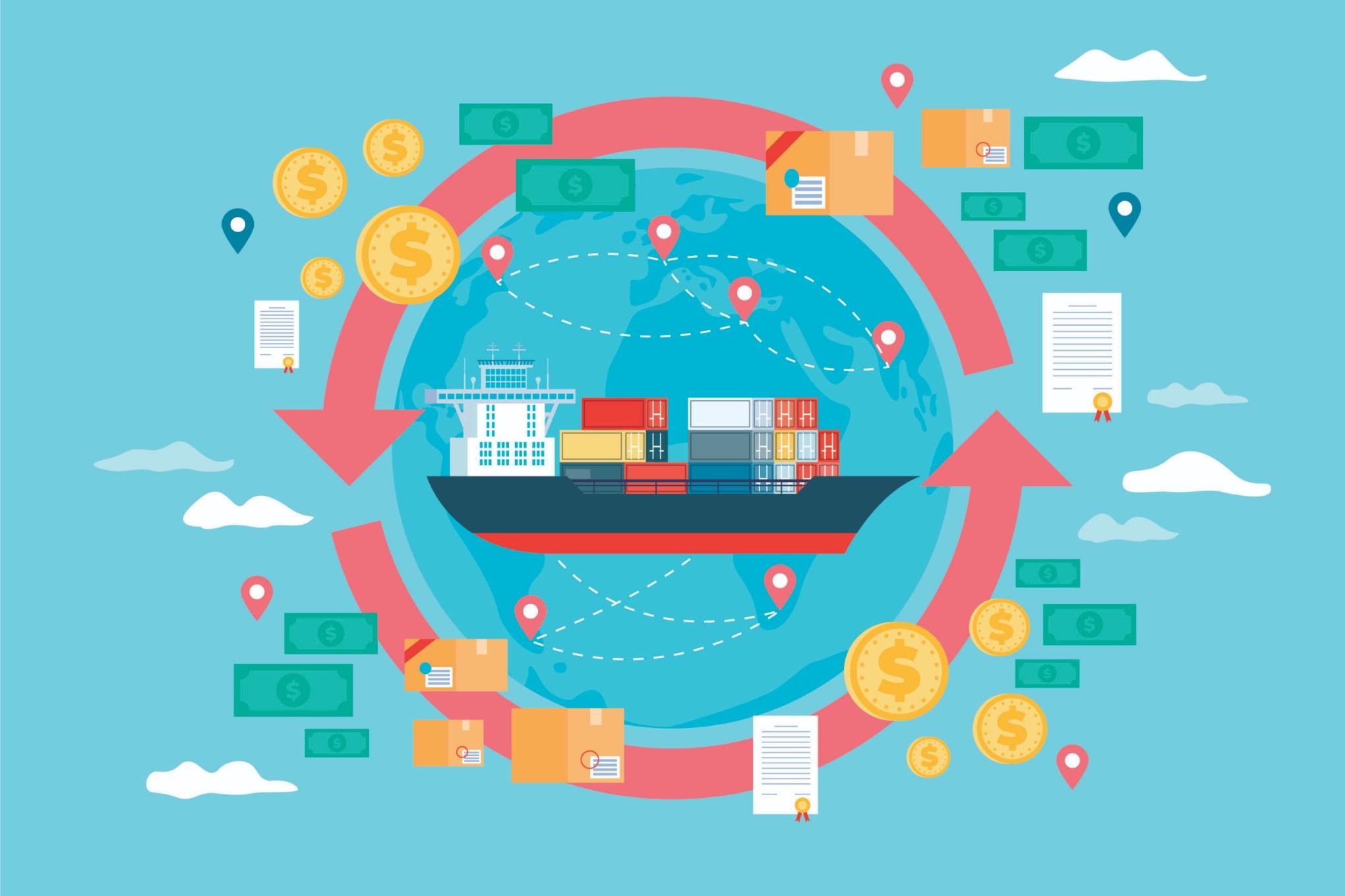
In the evolving landscape of global trade, the integration of supply chains with banking systems is reshaping the future of trade finance. Traditionally, trade finance has been burdened by slow processes, high costs, and fragmented systems. However, the adoption of advanced technologies such as API-driven platforms, artificial intelligence (AI), and real-time data analytics, is streamlining transactions, increasing transparency, and improving security.
This transformation is more than just digitalization; it’s about creating a seamless connection between businesses, financial institutions, and logistics networks. By integrating these elements, companies can accelerate payment processing, optimize cash flow, and mitigate risks, ultimately driving efficiency and growth in global trade.
Challenges with traditional Trade Finance:
As global trade continues to grow in complexity, with supply chains spanning multiple continents, traditional methods are becoming increasingly inefficient and prone to errors. For instance, slow payment processing, high transaction fees, and the lack of transparency have long plagued businesses involved in international trade, creating bottlenecks that hinder growth and profitability.
However, with the digitalization of supply chains and banking, these long-standing barriers are gradually being dismantled. Advanced technologies are enabling faster transactions, lower costs, and greater visibility, paving the way for a more efficient and accessible trade finance ecosystem.
The Need for Integration:
The trade finance sector has historically been fragmented, with key stakeholders—such as importers, exporters, banks, and logistics companies—operating in silos. Each party relies on disparate systems, leading to inefficiencies in time, cost, and accuracy. In many cases, the paperwork required to complete international transactions can take days or even weeks, delaying shipments and disrupting supply chains.
Seamless integration between supply chains and banking systems is crucial to overcoming these challenges. By connecting these two essential sectors, companies can create end-to-end digital workflows that ensure swift and seamless movement of goods and capital. This integration allows for faster processing of financial transactions, immediate access to trade financing, and more effective management of cross-border trade risks. Know more https://datanimbus.com/blog/the-future-of-global-trade-finance-integrating-supply-chain-and-banking-solutions/