- Images
ELV testing in India has become essential due to the rapid growth of the automotive sector and increasing global compliance requirements.
One of the main benefits of ELV testing is environmental protection. By restricting hazardous substances, manufacturers can reduce pollution and support sustainable practices.
Another important aspect is regulatory compliance. Many international markets require automotive components to meet ELV standards before they can be exported. Testing helps manufacturers verify compliance and avoid issues such as product rejection or penalties.
ELV testing also improves product quality by ensuring that materials meet required standards and are suitable for long-term use.
How ELV Testing Works
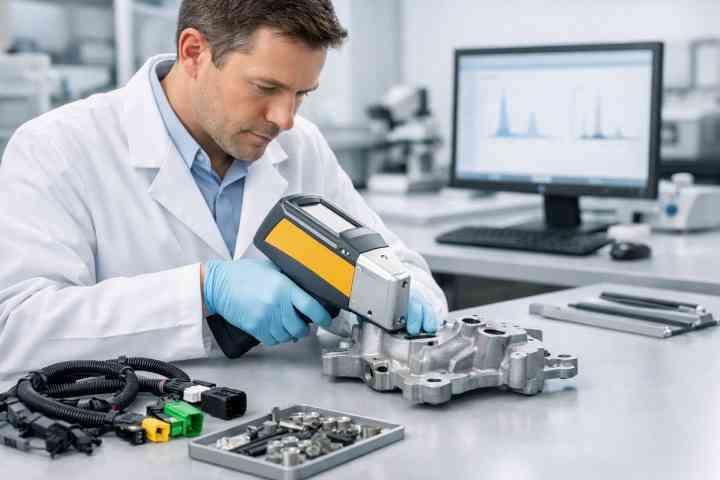
ELV testing is performed using advanced analytical techniques to identify and measure restricted substances in materials.
Methods such as X-ray fluorescence are used for quick screening, while detailed laboratory analysis is conducted for accurate quantification. These techniques help manufacturers understand the composition of their materials and ensure compliance with regulatory limits.