- Images

The role of discipline and time management in pilot training
Discipline is the foundation of aviation
Discipline is one of the most essential qualities required in aviation. From attending classes on time to following strict flight protocols, aspiring pilots must be consistent and responsible throughout their training. Aviation doesn’t leave room for errors, and discipline ensures that every action taken is precise and according to procedures.
Why time management matters for pilots
Time is everything in aviation. Whether it’s reporting for a flight, calculating fuel requirements, or planning a cross-country route, time management can directly impact flight safety and success. Learning to manage time efficiently starts from day one of training. If you're planning to understand the process of how to become pilot, you must realize that managing your daily schedule effectively is key. Here's a detailed guide to help you start your journey: how to become pilot.
How pilot training enforces time and discipline
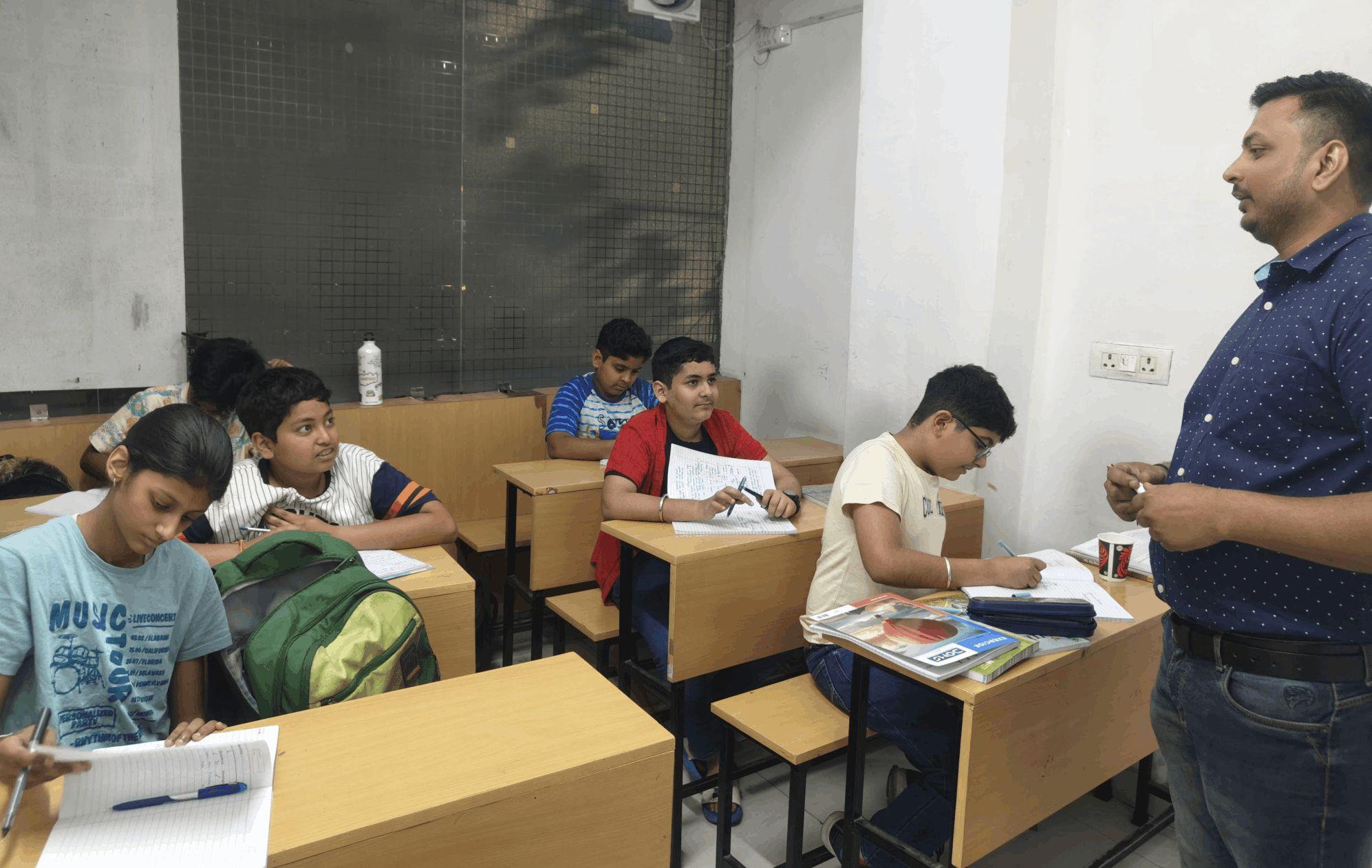
Flight training institutes have strict schedules that replicate real-world airline operations. Students must attend theory classes, log flying hours, and complete simulator training, all while adhering to a structured timetable. Assignments and mock exams are time-bound, further instilling discipline in a controlled environment.
Moreover, students learn to manage fatigue and stress by scheduling their rest and study periods wisely. This preparation is crucial, especially when working long shifts as a commercial pilot later in the career.
Real-life relevance in aviation careers
Once in the cockpit, discipline and punctuality become part of every flight. Delays, missed checks, or poor planning can affect hundreds of passengers and cost the airline heavily. Airlines value pilots who demonstrate responsibility and the ability to stay organized under pressure.
Conclusion: Discipline and time management are lifelong skills
The habits developed during pilot training stay with you throughout your flying career. Being disciplined and managing time efficiently not only make you a better trainee but also a trusted professional. If you're aiming to start your aviation journey and want to understand every skill involved, explore the complete path on how to become pilot.